
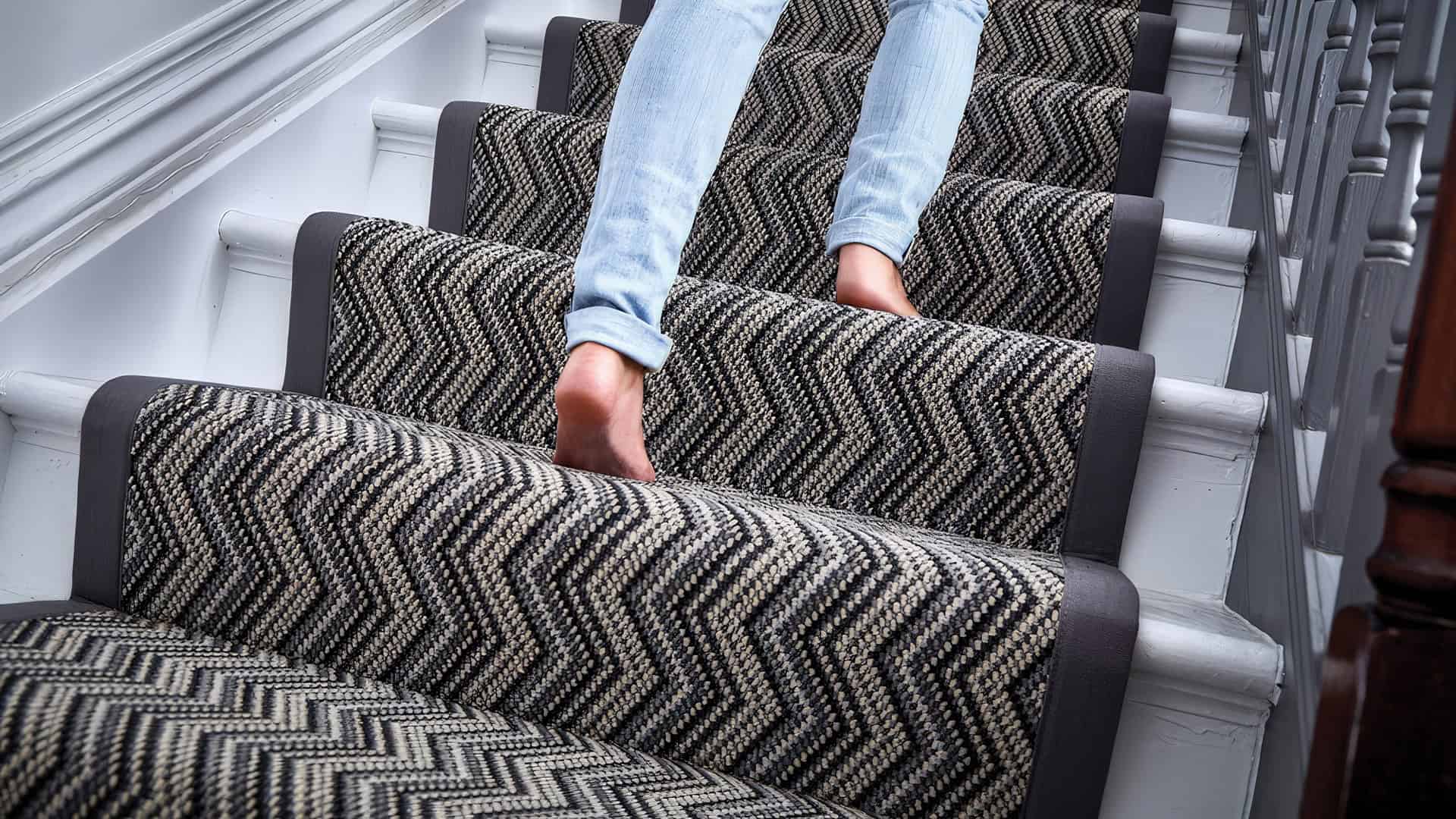
When you’ve decided on a new carpet, the next thing on the list tends to be underlay – and what type, thickness and density works best with the carpet you’ve chosen. However, when it comes to fitting a stair runner, you might not have even considered underlay, even though it can make a huge difference in comfort and longevity.
By the end of this guide, you’ll know why it’s a good idea to lay underlay beneath your stair runner and what products will perform best on your staircase.
In this guide
Do you really need underlay for a stair runner?
Do you need to put underlay beneath your stair runner? It’s not compulsory, but it’s a smart move. As flooring experts, we always recommend pairing a high-quality underlay with your runner for added comfort, safety and style.
Without it, your carpet runner will show signs of wear and tear much quicker and won’t feel as comfortable underfoot. This is especially true for high-traffic areas, like stairs, where extra support and durability are key.
So, while technically, you don’t need underlay, it makes sense to install it.
Stair runner underlay considerations
After deliberating over the perfect stair runner, choosing the right underlay for it can feel overwhelming, so we’ve broken everything down to make the decision much easier.
When it comes to choosing underlay for a stair runner, the most important things to think about are thickness and density.
Underlay thickness
Underlay thickness is the height of the underlay, and it falls into three main ranges:
Up to 6mm: Although it offers lower cushioning and sound reduction levels, it helps allows your runner to sit flatter against the stairs, which can be important if you have an open staircase and can see the side profile of the stair runner (you don’t wat too much lift).
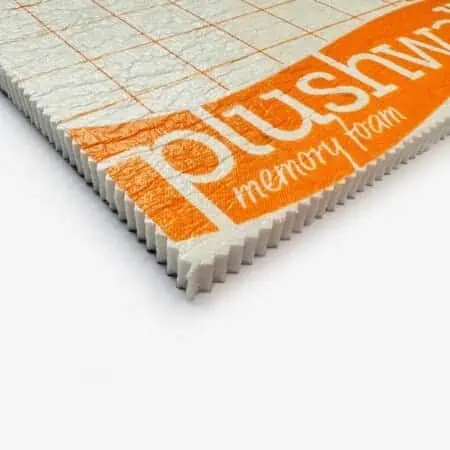
6mm to 10mm: This strikes a great balance of comfort and support, but with runners not covering the entire step, so look to keep it closer to 10mm. Our favourite for the stairs is Plushwalk 10mm which provides great compression recovery and sits nicely with carpets and stair runners.
12mm+: This is perfect for areas such as bedrooms or living rooms where you want extra cushioning underfoot. However, this can be harder for installers to fit, so this maybe require a more experienced carpet fitter.
Underlay density
Density measures the amount of material per cubic metre (expressed kg/m³) of underlay. The higher the density, the more material is packed in, and the more hard-wearing the underlay will be, but the downside is, the less comfortable underfoot it will feel.
Density ratings are split into three ranges:
Up to 75-85 kg/m³: This is the least durable option, most suitable for low-traffic areas, like bedrooms.
90 – 105 kg/m³: This provides a great balance of comfort and durability, making it ideal for most areas of the home, including stairs.
110kg/m³+: This option is the most durable but least comfortable. High-density underlay is commonly used in commercial spaces or high-traffic areas where durability over repeated footfall is the priority.
While it can be tempting to go for the thickest and most dense underlay, it’s important to consider where it’s being laid.
The ideal combination for a stair runner
- Thickness of 6mm-10mm
- Density of at least 100 kg/m³
This would feel comfortable underfoot, cope well with the impact of constant foot traffic, and help prevent accidents thanks to its relatively low height.
Types of underlay
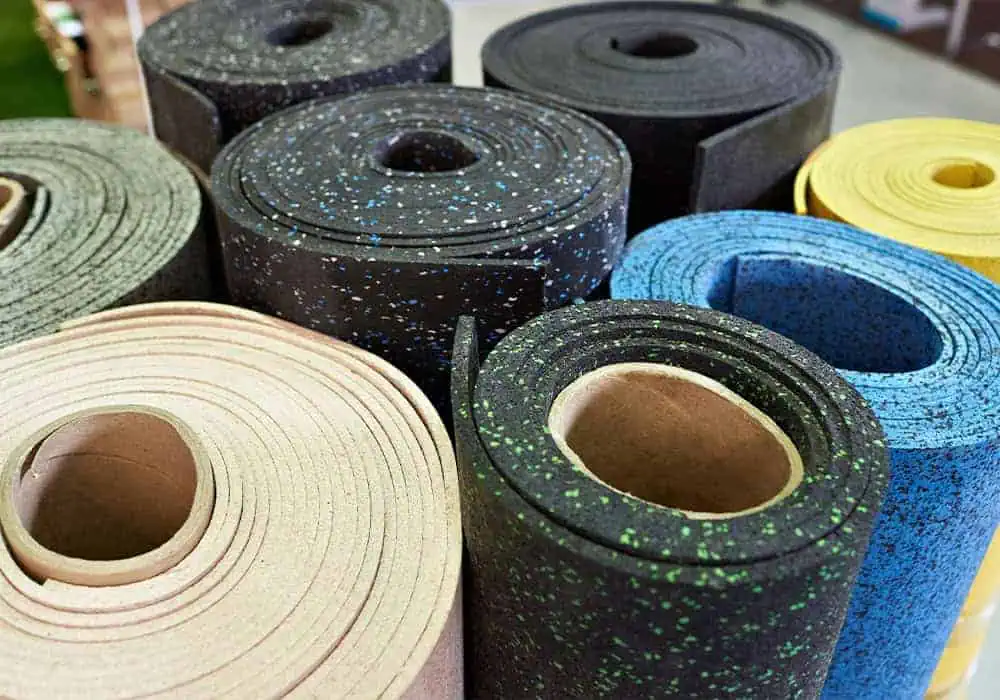
As well as variations in density and thickness, underlay is also available in a range of materials – and each can affect comfort and durability, so it’s worth exploring the options to find the ideal product for your project.
PU (polyurethane) foam underlay
Benefits: Foam underlay is soft underfoot, provides excellent thermal insulation and is eco-friendly. It is also easy to handle and available in higher densities for added resilience. Plushwalk underlays also incorporate memory foam for excellent recovery properties from repeated impact from stairs.
Suitability: Foam is perfect for light to moderate-use staircases.
Cons: Only use 100 kg/m³+ density
Sponge rubber underlay
Benefits: Sponge rubber is an old design, but recovers well from impact.
Suitability: It’s great for moderate to heavy-use staircases.
Cons: Can crumble over 5+ years. Very heavy and expensive. We think its an underlay of the past today.
Crumb rubber underlay
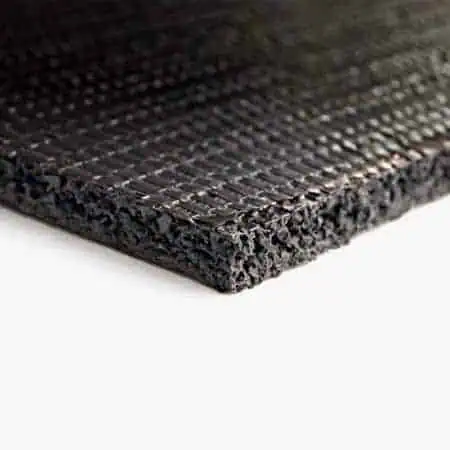
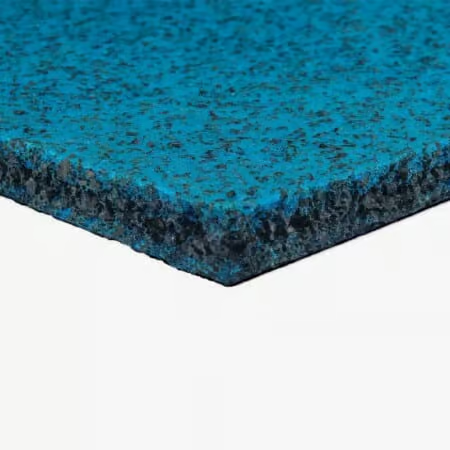
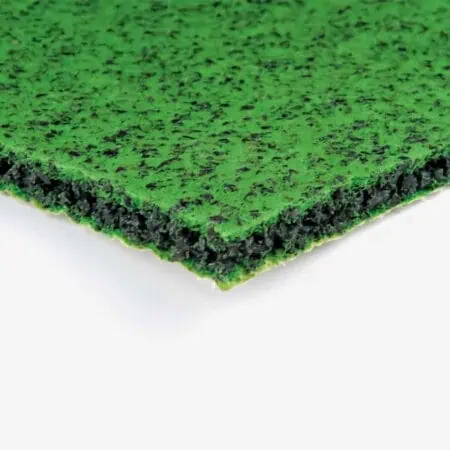
Benefits: Crumb rubber underlay is extremely hard-wearing and offers firm support, even at lower thicknesses. It is made from recycled materials, making it an eco-friendly choice.
Suitability: It is great for busy, heavy-traffic staircases where durability, rather than comfort, is the main priority—that’s why it is commonly used in commercial spaces.
Cons: Because of its high density, rubber can feel much firmer underfoot. It is also weighty and cumbersome to work with.
Each material has its strengths, so it’s important to choose the one that best fits your needs. PU foam is soft and affordable, Plushwalk incorporates memory foam which is our favourite, sponge rubber offers durability, and crumb rubber feels firmer underfoot but will outlast any other material.
The best underlays for stair runners
Stair runner underlay: key takeaways
- Optimal thickness: between 6-10mm
- Optimal density: 100 kg/m³ or more
- Anything too thick (11mm+) can be harder for installers to fit. Use an experience fitter.
- Anything too dense (above 120 kg/m³) starts to reduce comfort
- Plushwalk memory foam technology works best on most footfall staircases
- Sponge rubber and crumb rubber can sometimes crumble after 5+ years.
- If you have an open staircase, be mindful of how high your stair runner sits from the side profile
A smart choice
Our Choice: Plushwalk 10mm underlay
So, while you don’t need underlay for a stair runner, using it under any carpet is a smart choice.
There are a few extra things to consider with stair runners, but now you can confidently choose the right underlay for the job! Should you need further help, contact our expert team at contact@simplyunderlay.co.uk, and we will give you impartial advice.