
Many homeowners wonder, “How thick should underlay be?”, but will simply buy the thickest underlay they can afford with the assumption that thicker must always be better.
However, the choice between thin or thick underlay isn’t as straightforward as it may seem – there are a variety of factors that determine which carpet underlay thickness is right for a particular space.
For example, where you intend to install the underlay, the type of subfloor you’ll lay it over, whether there is an underfloor heating system, and your personal comfort and budget requirements all matter.
In this guide, we’ll explore these factors and more to help you pick the correct underlay thickness for your project, providing you with the perfect balance of comfort, performance, and value.
Keep reading to learn more about our underlay thicknesses and where to use them!
In this guide:
How thick is carpet underlay?
There is no standard carpet underlay thickness, as it is available in a range of dimensions. Here is an overview of how we classify different thicknesses, and what you can expect from each carpet underlay category:
| TYPE | MEASUREMENT | KEY FEATURES |
|---|---|---|
| Thin Underlay | 6mm–8mm | Carpet underlays between 6mm and 8mm thick are cost-effective options that provide the basic support your carpet needs to look its best, along with a comfortable sensation underfoot. Being thinner means they are lighter in weight and therefore easier to install, so fitting is simple. However, at this thickness and price point, you will generally sacrifice insulation, sound reduction, and durability (particularly with thin PU foam underlays). That said, some specialist products fall into this category, including underfloor heating underlay, where a thinner product and lower TOG rating ensure the underfloor heating (UFH) system performs efficiently, as well as high-density crumb rubber underlay for commercial environments. |
| Medium Underlay | 9mm–10mm | Slightly thicker 9mm and 10mm carpet underlays are usually good all-rounders that can be installed in most areas of the home, including staircases and hallways. With high levels of comfort, insulation, and soundproofing, they offer excellent value for money. No need to ponder whether 10mm underlay is good for carpet – 10mm foam underlay is a bestseller! This thickness is ideal for homeowners who want to use the same underlay throughout their entire property, avoiding the hassle of ordering multiple products and minimising wastage. |
| Thick Underlay | 11mm+ | Any carpet underlay that is 11mm thick or above will offer unrivalled comfort underfoot, as well as superior thermal insulation and noise reduction properties. Our 11mm to 12mm underlay options offer the perfect thickness for a quiet and cosy atmosphere. These luxury products sit at the top end of the market in terms of price point, but you get what you pay for, so you’ll never regret picking a thick underlay for your lounge or bedroom! |
What is the thickest underlay for carpet?
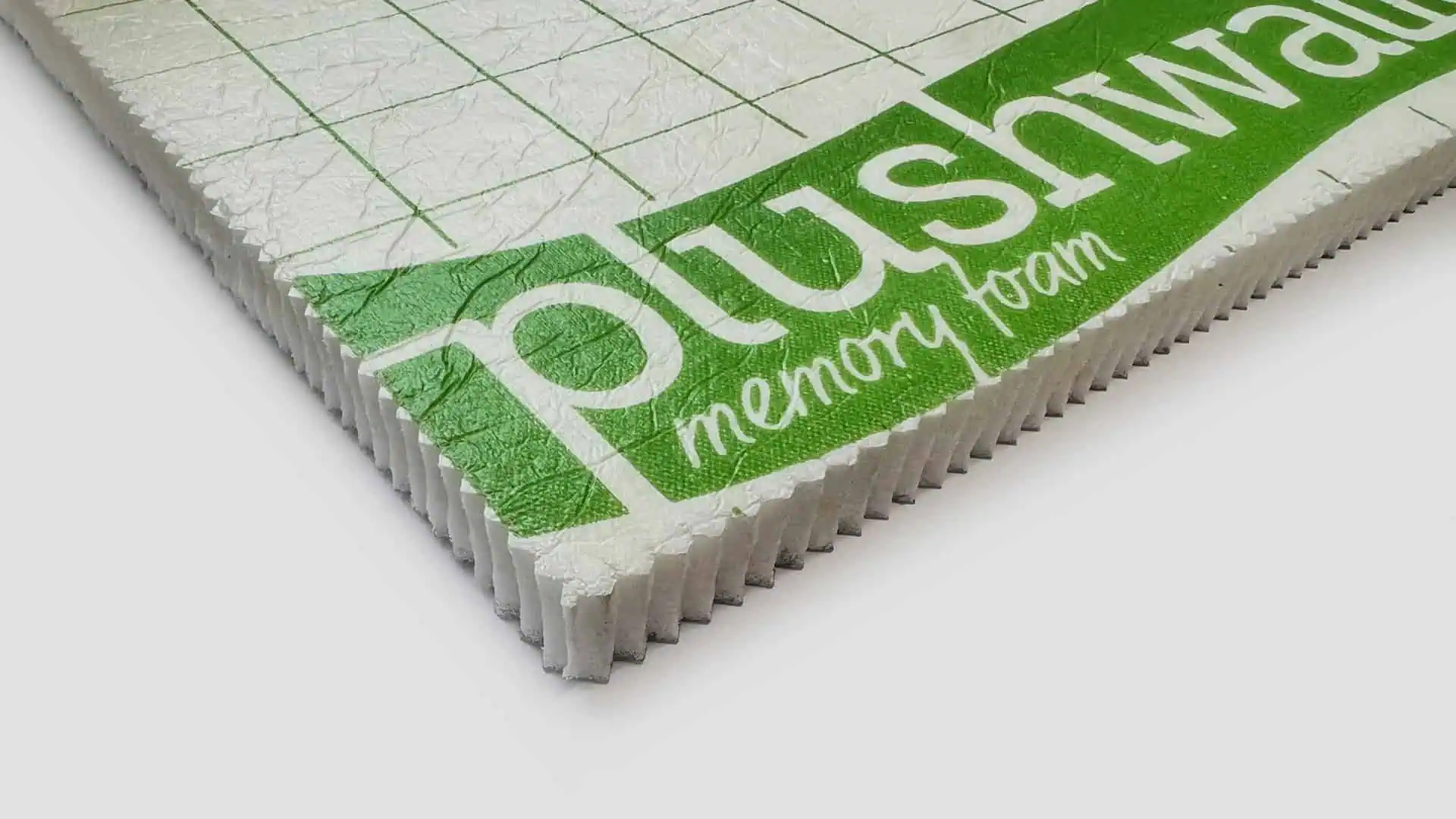
If you’re shopping specifically for a thick carpet underlay and wondering what is the thickest carpet underlay you can buy from Simply Underlay, the answer is our Plushwalk underlay.
This is a 12mm underlay for carpet that offers a high-calibre performance thanks to its memory foam technology.
With a 105kg/m3 density, 3.5 TOG rating, and 49dB impact sound reduction, you can be sure that the sumptuous Wilsons Plushwalk 12mm Underlay is a premium underlay for carpets.
Carpet Underlay Density vs Thickness
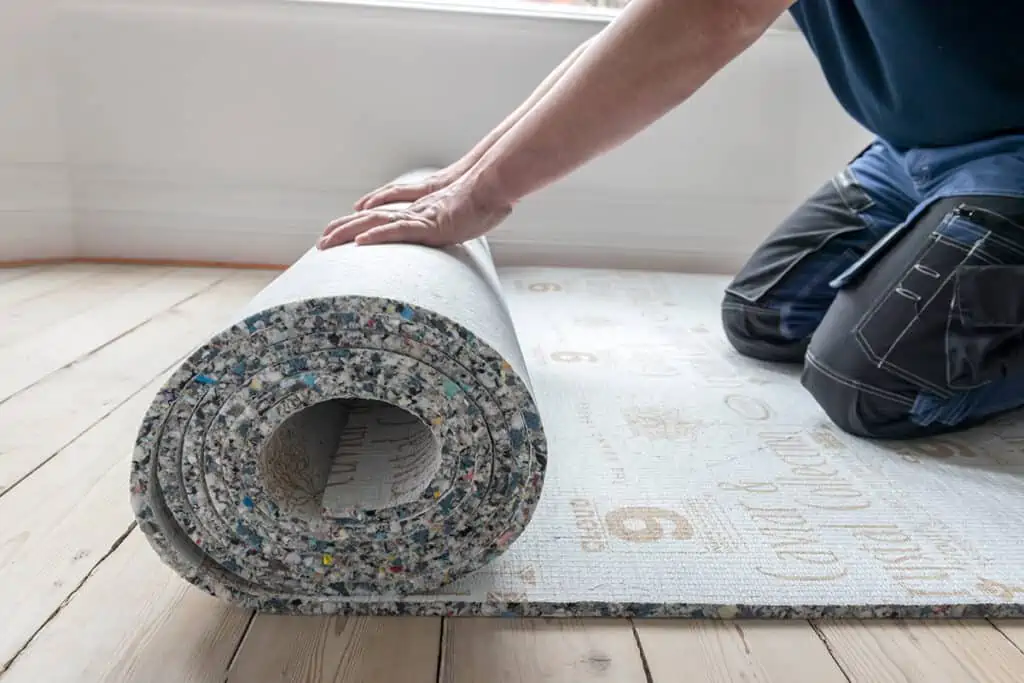
All of our carpet underlays have a density rating, which is a number that represents how much material (e.g. PU foam, rubber, or sponge) is packed into each cubic metre of the product.
Underlay density is expressed in kg/m³ to make it easier to compare different products. Generally, the higher the density rating, the more supportive the underlay will be (and the longer it will last).
This is why density should be considered in tandem with thickness, as it’s possible that a dense 8mm product would outperform a thicker 10mm product that contains less material.
The latter would feel nice and spongy underfoot to start with, but it would flatten much faster over time, making the former a better long-term investment. That said, a dense carpet underlay will provide less cushioning.
Highly dense underlays (140 kg/m³ or above) are traditionally used in commercial environments – such as hotel lobbies, restaurants, and busy offices – because they can handle a lot of foot traffic. However, extreme durability can sacrifice comfort, as high-density underlay (or ‘contract underlay’) can be very firm underfoot.
For a typical home, we would recommend a density rating of at least 100 kg/m³. This will ensure your underlay outlasts your carpet, but still provides a comfortable, plush feeling when you walk on it.
Factors That Influence Carpet Underlay Thickness

Flooring Budget
Budget is the primary consideration for any consumer when it comes to purchasing carpet underlay. If money is no object, you could go for a top-of-the-range 11-12mm product and reap all the benefits it brings.
If you have a stricter budget and want to get the most value for your money, you might sacrifice a millimetre in thickness for a slightly better density rating, prioritise comfort over sound reduction, or choose an unbranded product over a bestselling underlay from a well-known name.
Not sure which underlay to buy for your project and where to compromise? Get in touch with our expert team by emailing contact@simplyunderlay.co.uk to receive personal recommendations for your budget requirements.
Door Clearance
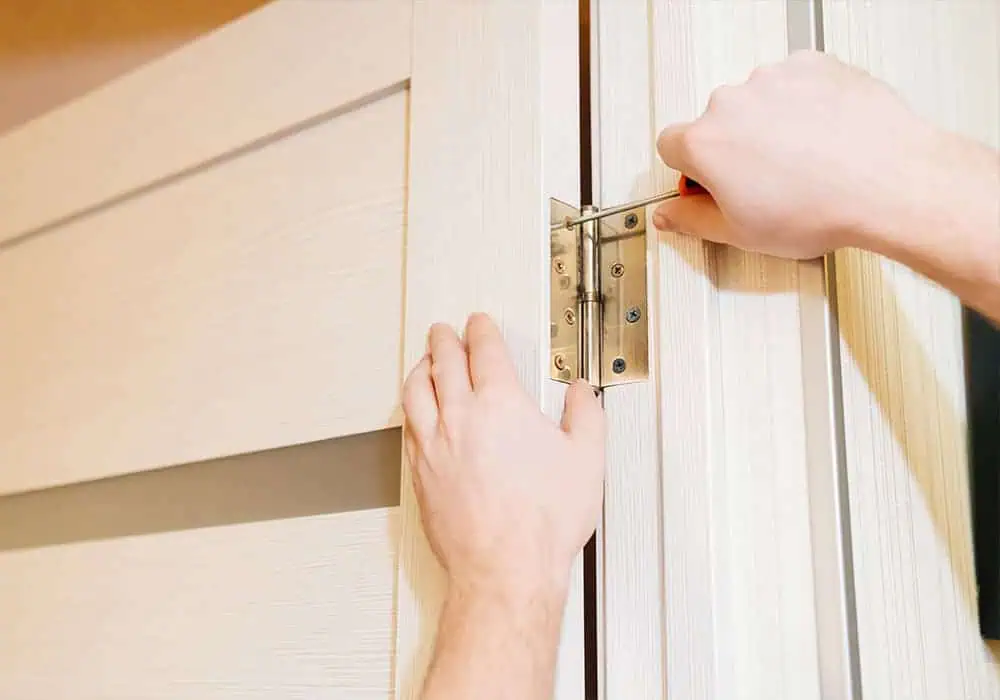
We often see customers replacing their existing thin underlay with a supremely thick, luxury carpet underlay, and while we wholeheartedly agree with this upgrade, many people don’t consider the clearance between the subfloor and existing internal doors when choosing the underlay thickness.
Upgrading to a substantially thicker underlay than the one you already have could mean that the doors will need shaving and rehanging, or you will need to install rising butt hinges. These tasks are best completed by a joiner, which can add a level of expense you may not have budgeted for initially.
This is why it’s important to consider the thickness of underlay and carpet together when buying new underlay, so the combined carpet and underlay thickness leaves enough clearance for doors to open and close smoothly.
Subfloor Type
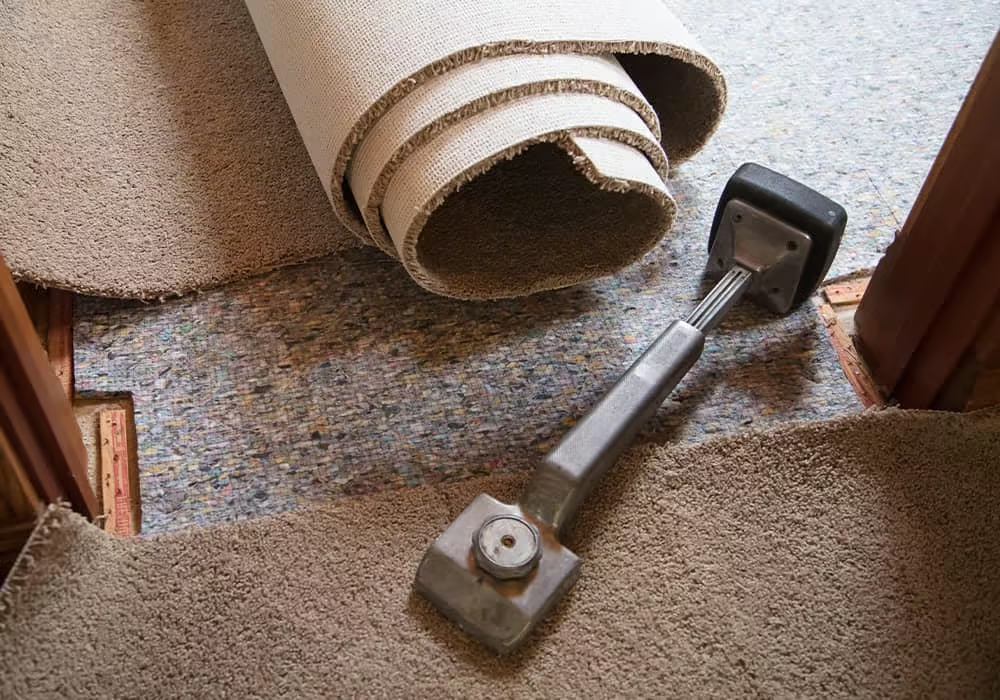
If you chose to install carpet and not wood, laminate, or LVT flooring, one of the determining factors was probably comfort. Carpet creates a warm, plush feeling under your feet, but your subfloor can quickly undermine this.
Uneven floorboards or lumps and bumps in screed are noticeable when walking across a room, but covering them with a thick underlay can smooth out imperfections and create a level base for your carpet installation.
Thicker carpet underlays also tend to be better insulators (especially thermal underlays), which prevent draughts or cold spots, leading to a much more comfortable experience underfoot.
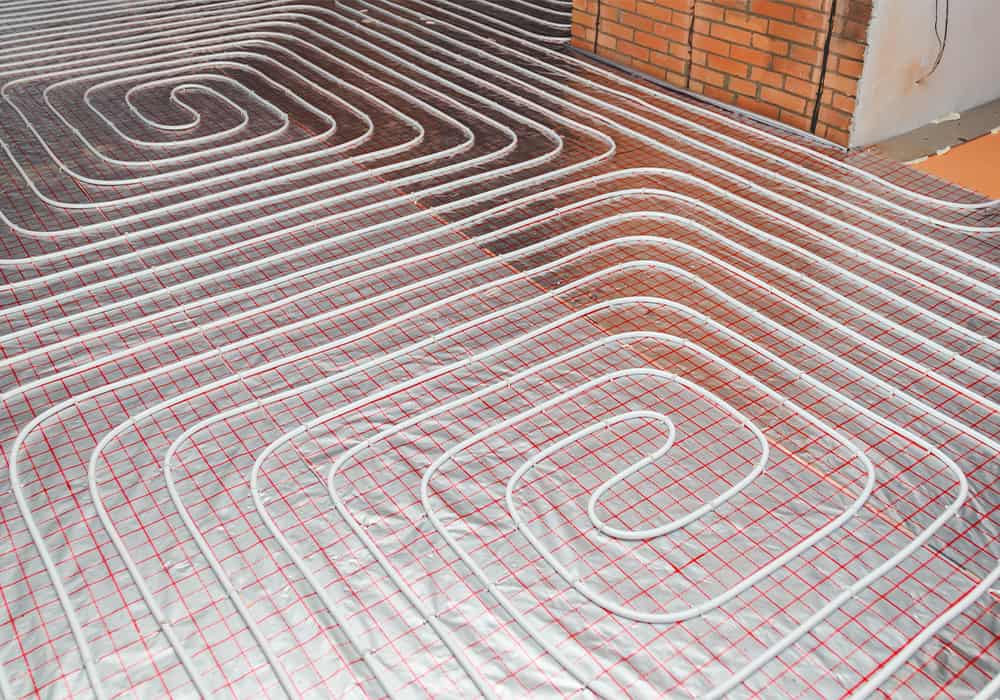
Underfloor Heating Systems
As touched on earlier in this guide, homes with underfloor heating (UFH) systems require a specialist underlay with a low TOG rating to ensure heat can spread evenly and effectively through the floor.
TOG stands for ‘Thermal Overall Grade’, which is a measurement of thermal resistance – the higher the value, the less heat can pass through the underlay. Therefore, our underfloor heating underlays typically fall into the ‘thin’ category (6mm – 8mm), though Wilsons ThermalStream is an outlier at 10mm.
So, if your house has UFH installed, you will naturally have a smaller range of thicknesses to choose from.
Installation Area
Each area of your home is used for a different purpose and will have its own unique flooring requirements.
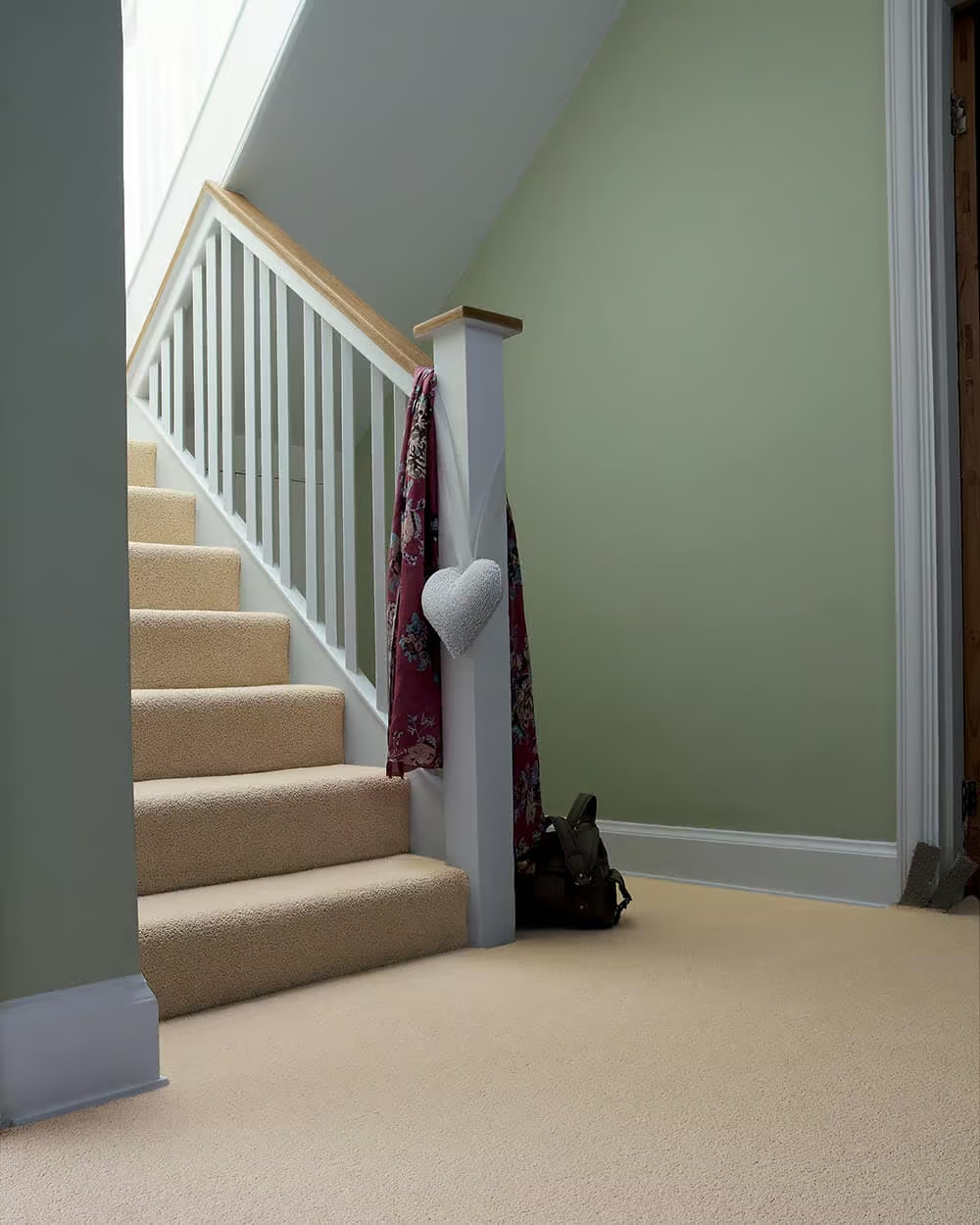
For example, stairs and hallways endure a lot of foot traffic every single day, so you’ll want a thinner underlay that will support your carpet and won’t degrade under all that use. Something like Plushwalk 10mm is a good option, as it incorporates memory foam for improved compression resistance.
Compare this to a living room, which is a space to enjoy extended downtime in – you’ll likely want an underlay that’s much thicker and more insulating to create a warm, comfortable feeling.
Always consider how you’ll use the space on a daily basis when choosing flooring and underlay, and then select a thickness that fits the room’s specific needs. Speaking of which…
What’s the best carpet underlay thickness for my space?
There is no standard carpet underlay thickness for specific rooms, but from the wider range of options, we can offer suggestions to help you choose the best thickness for carpet underlay in some areas.
Living Rooms & Bedrooms
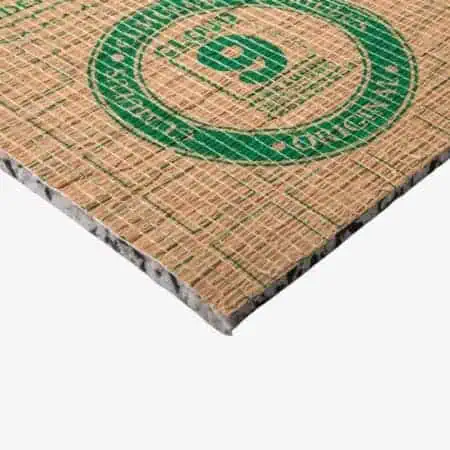
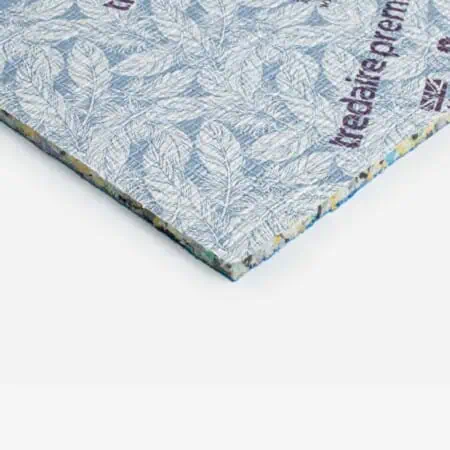
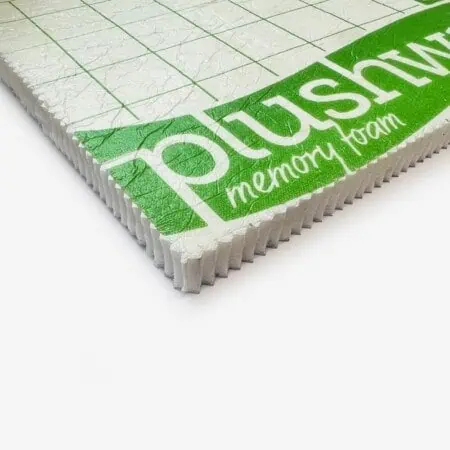
Designed for relaxation, these rooms typically don’t experience heavy foot traffic (barring through lounges), so we would advise going for the thickest carpet underlay you can afford to create warmth and comfort.
Wondering what thickness underlay for bedroom carpet and living room carpet balances comfort and longevity? We think a PU foam underlay at least 10mm thick would be ideal.
This type of underlay has the added bonus of being extremely insulating, reducing both sound transfer and heat loss, resulting in a cosy, peaceful environment for daily living and nightly relaxing.
Recommendation: 10mm+ thickness, PU foam, density rating above 100 kg/m³
Key Products: Wilsons Plushwalk 12mm, Tredaire Dreamwalk, Cloud 9 Cumulus
Stairs & Hallways
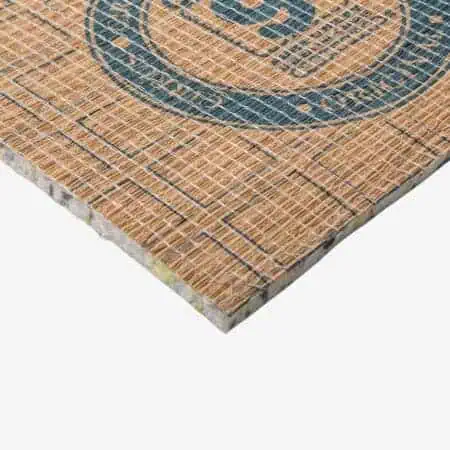
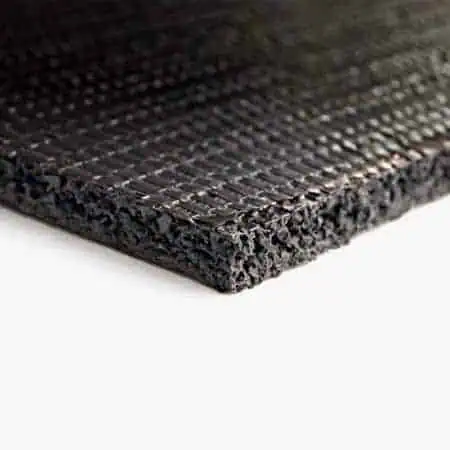
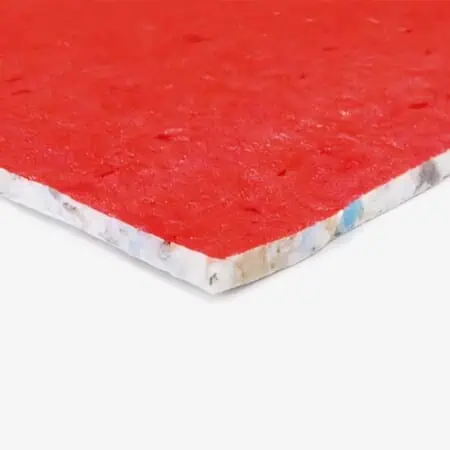
The areas of your home that experience the most footfall need an underlay robust enough to handle constant pressure and ‘bounce back’. Therefore, the best carpet underlays for stairs are generally those with good recovery properties, like Plushwalk 10mm memory foam underlay.
For this reason, we would suggest choosing an underlay that measures somewhere between 6mm and 10mm. Anywhere in this range is the best underlay thickness for stairs, though density is also an important factor.
The bottom end of this range is most suitable for stair runners, when you don’t want quite as much ‘lift’ because the sides of the runner carpet will be exposed and can look unfinished.
Recommendation: 6-10mm thickness, PU foam or rubber, density rating above 100 kg/m³
Key Products: Plushwalk 10mm, Duralay Durafit 650 (stair runners), Cloud 9 Cirrus, Tredaire Softwalk
Any Area With Carpet
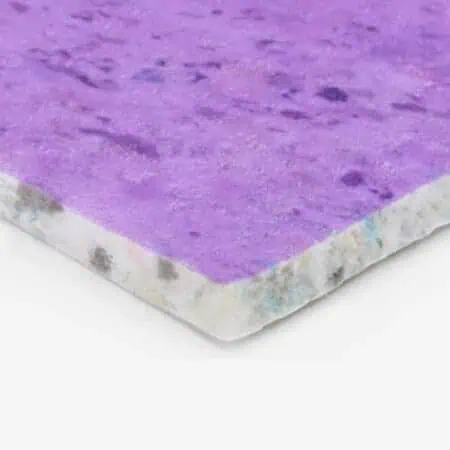
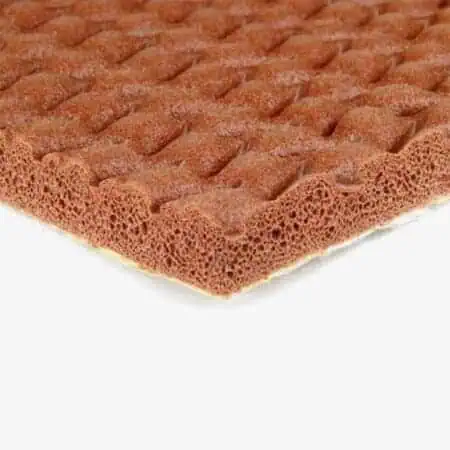
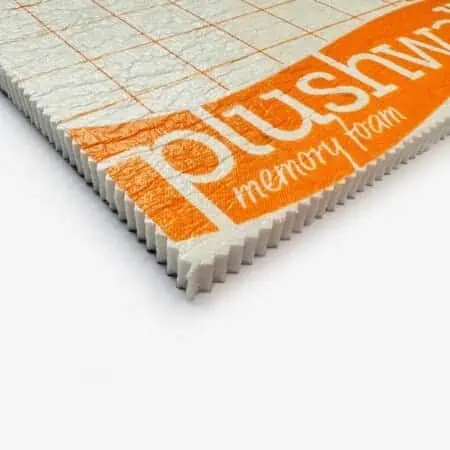
If you don’t want the hassle of ordering different products for different rooms, go for a good all-round underlay.
Using the same product across the entire home will reduce wastage and save money, but only if you pick an underlay that’s suitable for all areas – you don’t want it to wear down too fast in some places.
A medium-thickness foam underlay (9-10mm) will perform as well in your bedroom or living room as it does on the stairs. Offering a balance of comfort, durability, and insulation, this product is a Jack-of-all-trades.
Recommendation: 9-10mm thickness, PU foam, density rating above 100 kg/m³
Key Products: Tredaire Elite, Wilsons Plushwalk 10mm, Tredaire Ambience
Carpet Underlay Sizes: Things to Remember
Is thicker underlay better? Thicker doesn’t always mean better when it comes to carpet underlay. If your new underlay is thicker than your old one, you might need to shave down doors or use rising butt hinges.
How thick should carpet underlay be? Medium-to-thick PU foam underlays are usually great sound and heat insulators. The most comfortable underlays will balance thickness and density.
What is the best carpet underlay thickness for most rooms? Good all-round underlays sit between 9-12mm thick and can be used in all areas of the home. Underlays compatible with underfloor heating systems are typically thinner and have low TOG values to allow heat to pass through efficiently.
Can I improve carpet thickness with underlay? If your subfloor is uneven, a thick underlay will help to level it out and make your carpet feel smoother and thicker underfoot. A memory foam underlay like Plushwalk will usually last longer and rebound better from frequent foot traffic to maintain the thickness.
So, what thickness underlay should I use?
Hopefully, this guide has armed you with the knowledge to make a confident purchase. If you still aren’t sure how thick your underlay should be, don’t hesitate to contact us for tailored advice.
Send an email to contact@simplyunderlay.co.uk with your questions and concerns, and the Simply Underlay team will be back in touch soon with expert recommendations for your project!